
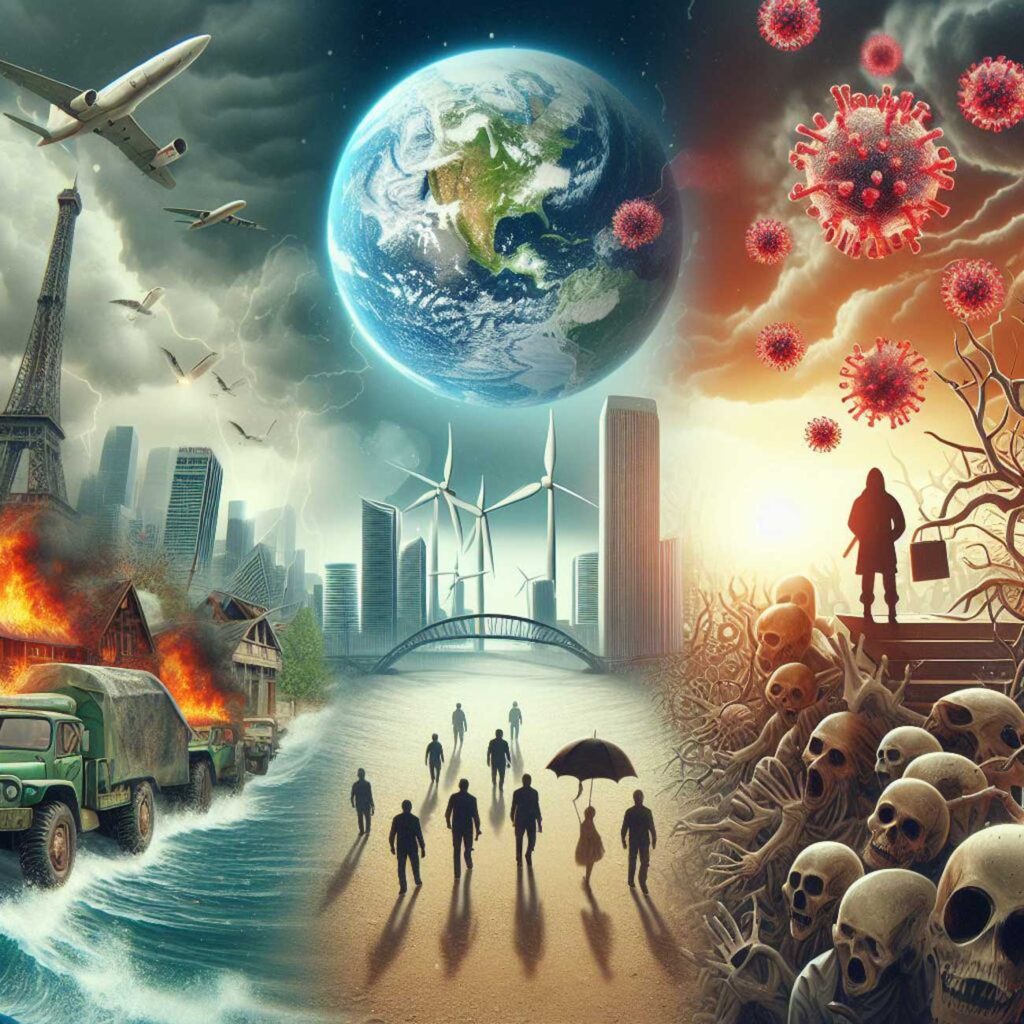
War, climate change, and pandemics are three of the most pressing global challenges of our time. They all have a devastating impact on social justice, disproportionately affecting the most vulnerable and marginalized communities.
Mục Lục
War
War is a major cause of death, displacement, and poverty. It destroys infrastructure, disrupts livelihoods, and creates a climate of fear and insecurity. All of these factors contribute to social injustice, making it more difficult for people to access basic necessities such as food, water, shelter, and healthcare.
In recent years, we have seen a number of wars that have had a particularly negative impact on social justice. For example, the war in Syria has created the largest refugee crisis since World War II. Millions of Syrians have been displaced from their homes, and many have fled to neighboring countries where they live in overcrowded and unsanitary conditions. The war has also had a devastating impact on the Syrian economy, leaving millions of people in poverty.
Climate change
Climate change is another major threat to social justice. The effects of climate change, such as rising sea levels, more extreme weather events, and food insecurity, are already being felt around the world. These effects are disproportionately impacting poor and marginalized communities, who are often the least able to cope with them.
For example, in the Philippines, Typhoon Haiyan (Yolanda) caused widespread devastation in 2013. The typhoon killed over 6,000 people and displaced millions more. The majority of those affected were poor and living in coastal areas. The typhoon also destroyed crops and infrastructure, leaving many people without food or shelter.
Pandemics
Pandemics are another major challenge to social justice. Pandemics, such as the COVID-19 pandemic, can have a devastating impact on health systems, economies, and societies. They can also lead to increased discrimination and stigmatization of vulnerable groups.
The COVID-19 pandemic has had a particularly negative impact on social justice. The pandemic has disproportionately affected poor and marginalized communities, who are more likely to be exposed to the virus and to suffer from its effects. The pandemic has also led to increased economic inequality, as the wealthy have been able to weather the storm better than the poor.
War’s Toll on Social Justice:
War inflicts profound social injustices, causing displacement, loss of livelihoods, and destruction of infrastructure. Displaced populations face discrimination and limited access to essential services, exacerbating social inequalities. Furthermore, the militarization of societies perpetuates cycles of violence, amplifying systemic injustices and hindering progress towards peace and equality.
Climate Change’s Disruptions:
The consequences of climate change, including extreme weather events, rising sea levels, and ecosystem degradation, disproportionately affect vulnerable communities. Indigenous peoples, low-income populations, and marginalized groups often bear the brunt of environmental degradation, facing displacement, food insecurity, and health risks. Climate-related disasters exacerbate existing social inequalities and strain resources, perpetuating cycles of poverty and injustice.
Pandemics’ Impact on Vulnerable Populations:
Pandemics such as COVID-19 underscore existing disparities in access to healthcare, economic opportunities, and social support systems. Marginalized communities, including racial minorities, refugees, and the economically disadvantaged, face heightened risks of infection and mortality due to inadequate healthcare infrastructure and socioeconomic factors. Moreover, pandemic responses often exacerbate social divisions and discrimination, further marginalizing already vulnerable populations.
Addressing the Interconnected Challenges:
To uphold social justice in the face of these interconnected challenges, concerted efforts are needed at local, national, and international levels. This entails:
- Equitable Resource Allocation: Prioritizing resources towards marginalized communities to ensure access to healthcare, education, and social services.
- Community Empowerment: Empowering communities to participate in decision-making processes and develop sustainable solutions tailored to their needs.
- Policy Reform: Advocating for policies that address root causes of inequality, including disarmament, climate action, and equitable healthcare access.
- Education and Awareness: Promoting education and awareness initiatives to foster understanding of the intersectionality of crises and mobilize collective action towards social justice.
- Global Solidarity: Fostering international cooperation and solidarity to address systemic injustices and build resilient communities in the face of shared challenges.
Conclusion
War, climate change, and pandemics are all major threats to social justice. They disproportionately affect the most vulnerable and marginalized communities, making it more difficult for them to access basic necessities and to participate fully in society. We need to take urgent action to address these challenges and to build a more just and equitable world.
Recommendations
In order to address the negative impacts of war, climate change, and pandemics on social justice, we need to:
- Invest in conflict prevention and resolution
- Promote sustainable development
- Strengthen health systems
- Address the root causes of poverty and inequality
- Protect the rights of vulnerable groups
By taking these steps, we can build a more just and equitable world for all.
Related Articles
World Day of Social Justice: Spreading the message of fairness
Business and Social Justice: Creating Social Value and Community Progress
World Day of Social Justice: Promoting Solutions to Address Inequality
World Day of Social Justice: Global Activities to Promote Equality and Justice
Education: The Key to a Just Society
Safeguarding the Environment: Ensuring Equity for Future Generations
Fairness in Employment: Combating Discrimination and Protecting Workers’ Rights
War, climate change, and pandemics: The negative impacts on social justice
Investing in education, healthcare, and social security: A recipe for a thriving society
The Role of Technology in Promoting Social Justice
Why World Day of Social Justice is an important day
Social justice: A dream or reality?
Ensuring Educational Opportunities for All: A Forderung for Fair and Equitable Education
The Importance of World Day of Social Justice: Goals and Significance